
Local Partner Spotlight: UPCAP
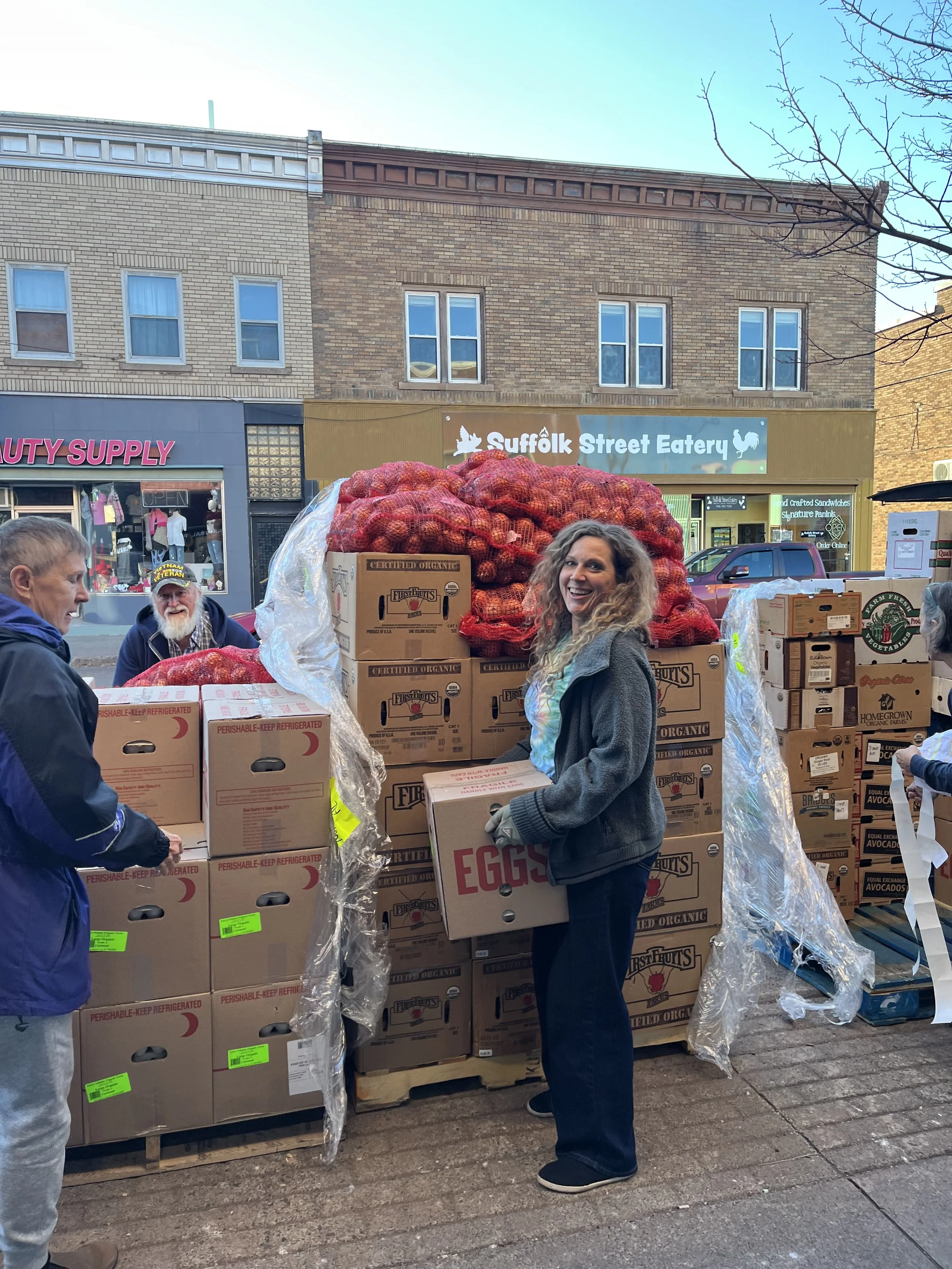
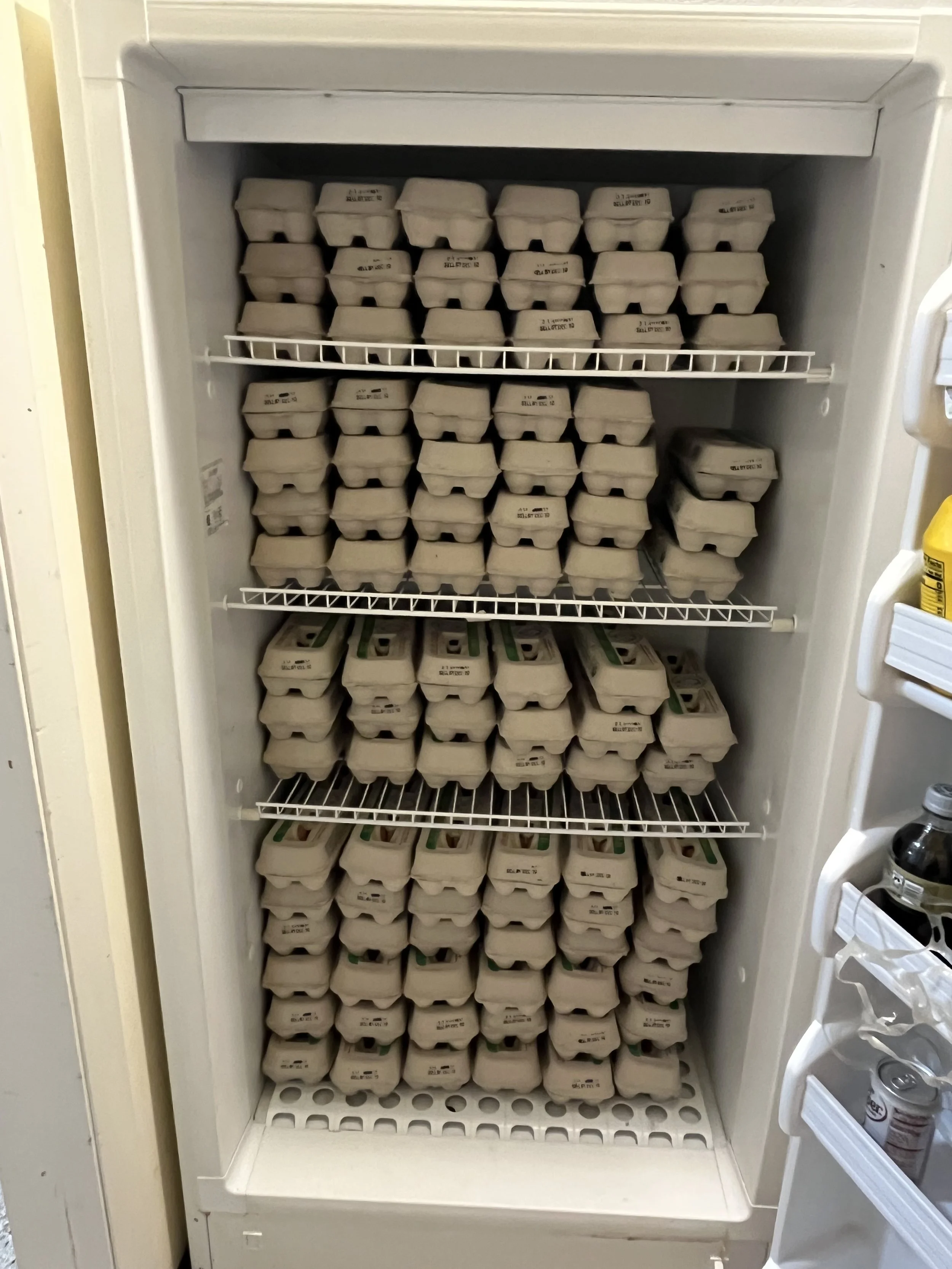
Across the Upper Peninsula, thousands of families face difficult choices when it comes to putting healthy food on the table. Through strategic partnerships, local farm investments, and innovative programming, the Upper Peninsula Commission for Area Progress (UPCAP) is working to make nutritious food more accessible while strengthening the region’s local food system.
For the second consecutive year, UPCAP is providing funding to assist and supply food to residents in need and to support food pantries throughout the Upper Peninsula.

Tammy Rosa, UPCAP Nutrition Program Manager
Over the last few months, UPCAP has provided funding to purchase $180,000 of fresh healthy food sourced from UP farmers. Products purchased include eggs, meat, dairy products, fruits, and vegetables which have been used to help stock 16 local food pantries.
We had the opportunity to chat with UPCAP’s Nutrition Program Manager Tammy Rosa about this funding, as well as other efforts to increase food access and improve food security for area residents.
“The level of food insecurity in the Upper Peninsula remains a serious concern affecting an average of 16 percent of residents, with some counties experiencing rates as high as 20 percent,” said Tammy. She emphasized that these figures highlight the significant level of need across the region. “We know that the high cost of food and recent threats to food access programs (like SNAP), create financial challenges. When all of these factors are considered together, they make accessing healthy food challenging for some residents.”
There is no quick fix for these issues, said Tammy. UPCAP is working with partner organizations to develop ongoing, sustainable resources and innovative solutions to fill the need.
“We partner with many organizations throughout the Upper Peninsula,” she said. “This is not an issue that’s going to be fixed by one group or a single idea. Addressing these issues will take a highly collaborative effort throughout the region and include multiple organizations and the farm community.”
The UP is divided into three regions (East, West, Central) with each having different dynamics and many variables, including limited transportation and access to grocery stores for residents in more rural areas.
“We do look at the UP as a whole, but also know we have to be flexible enough to address specific dynamics found in each of the three regions,” she said. “Efforts to increase food access are going to require a high level of collaboration across regional boundaries. We are fortunate because the Upper Peninsula is a tight-knit area, and we have found when there’s a need, our communities step up and are there to help.”
UPCAP and Feeding America are both working to address food insecurity, operating in parallel to distribute nutritious food through pantries across the Upper Peninsula. Between West Michigan and the UP, Feeding America provided 26 million meals last year to residents in need.
Another major initiative taking shape over the past several years is the UP Food as Medicine (UPFAM) program, which works to address and improve food insecurity of individuals that are at risk for or diagnosed with a health condition and face economic barriers to food access. Eligible participants are referred to the program by their health care provider and receive vouchers to purchase fresh, local food from farmers markets or farm stops. It also supports local farmers through investment in cold storage infrastructure that helps increase production and streamline operations, allowing them to focus on growing more food and increasing the day-to-day access to fresh food for program participants.
This winter, the MFC, along with the Keweenaw Co-op, the Ironwood Co-op, Lakeshore Depot and Meijer stores participated in a winter pilot to utilize UPFAM in a grocery store setting so participants would still have access to local and regionally produced foods during the market off-season. Participants received $45 in vouchers each month to purchase eligible products that were produced in Michigan or within 400 miles of the store.
As an administrator, UPCAP worked closely with key partners in the development and implementation of the program and continues to lead the work to sustain and grow it even further.
The UP Food as Medicine program has been a large collaborative effort — originally funded by the Superior Health Foundation in 2021 for a two-year pilot. Additional funding was received through the Food Bank Council of Michigan in 2024, and the program has expanded to include 28 partner organizations and agencies throughout the region.
“Supporting our regional food system has been our primary focus,” said Tammy. “The more local you can purchase, the better. Food travels a shorter distance, you have fresher product, and you’re supporting your local farmers. Strong local food systems are essential to building both economic and community resilience”.
If you’re part of a local organization that would like to help in this effort to increase food access in the UP, Tammy said she’d love to connect. She can be reached at rosat@upcap.org.
Additionally, if you’re a community member not currently affiliated with an organization, there are still many things you can do to help, like donating to your local food pantry or volunteering your time at local food distribution events. The UP Food as Medicine program, which also included a grant program to purchase infrastructure that would help local farmers expand their food production, is in need of funds. If you would like to donate to support these programs, contact Tammy at the email above.
“All of these efforts contribute to making our communities healthier,” said Tammy. “We’re really looking forward to continuing this work.”
The Upper Peninsula Commission for Area Progress (UPCAP) is a regional 501(c)(3) charitable organization, responsible for development, coordination, and provision of human, social, and community resources in the Upper Peninsula of Michigan. In 1974, UPCAP was designated as the Region XI (U.P.) Area Agency on Aging whose purpose is to advocate for and provide services to older adults residing in the 15 counties of the Upper Peninsula.